Clinical Services

At the Center for Digestive Health, you will find an unmatched combination of medical talent and compassionate caring. We offer our patients the latest technology and the warmth and assurance of a staff of caring professionals who understand the stress and fears that accompany any medical procedure. Our doctors diagnose and treat a broad range of gastrointestinal disorders including:
- Colon Screenings for Polyps and Cancer
- All esophageal disorders including (but not limited to): Barretts, Esophageal Cancer, and GERD (Gastroesophageal Reflux Disease)
- IBS – Irritable Bowel Syndrome
- IBD – Inflammatory Bowel Disease: Crohn’s Disease and Ulcerative Colitis
- Chronic and Acute Liver Disorders including Liver Transplatation
- Chronic and Acute Pancreatic Disorders
- Peptic Ulcer Disease
- Celiac Sprue and Other Malabsorptive Conditions
- Gallbladder Disease
- Constipation and Diarrhea
- Diverticulosis/Diverticulitis
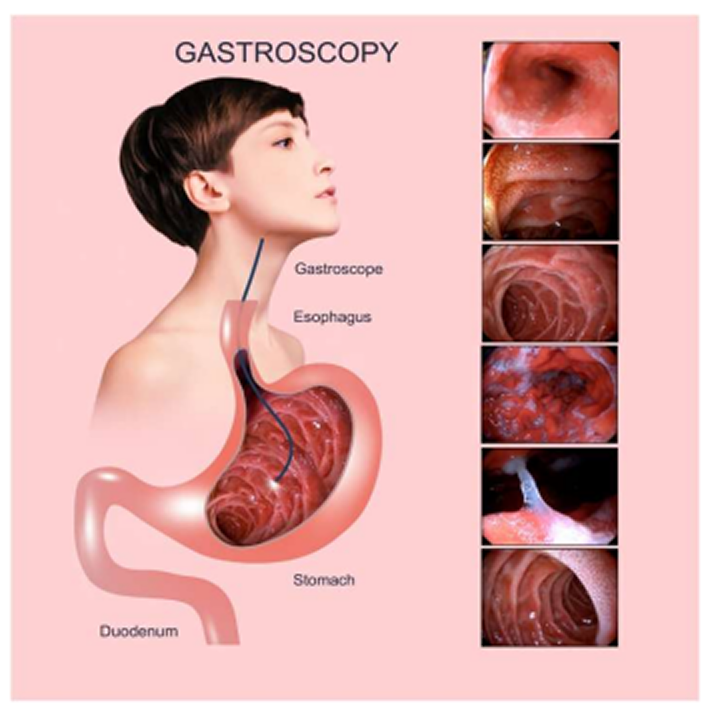
Upper Endoscopy (EGD): A thin, flexible camera is passed through the mouth to examine the esophagus, stomach, and duodenum. It is commonly used to evaluate reflux, ulcers, bleeding, trouble swallowing, abdominal pain, and inflammation.
Biopsy Collection During Endoscopy: A biopsy is a small tissue sample taken during endoscopy to help diagnose inflammation, infection, celiac disease, Barrett’s esophagus, gastritis, and other conditions.
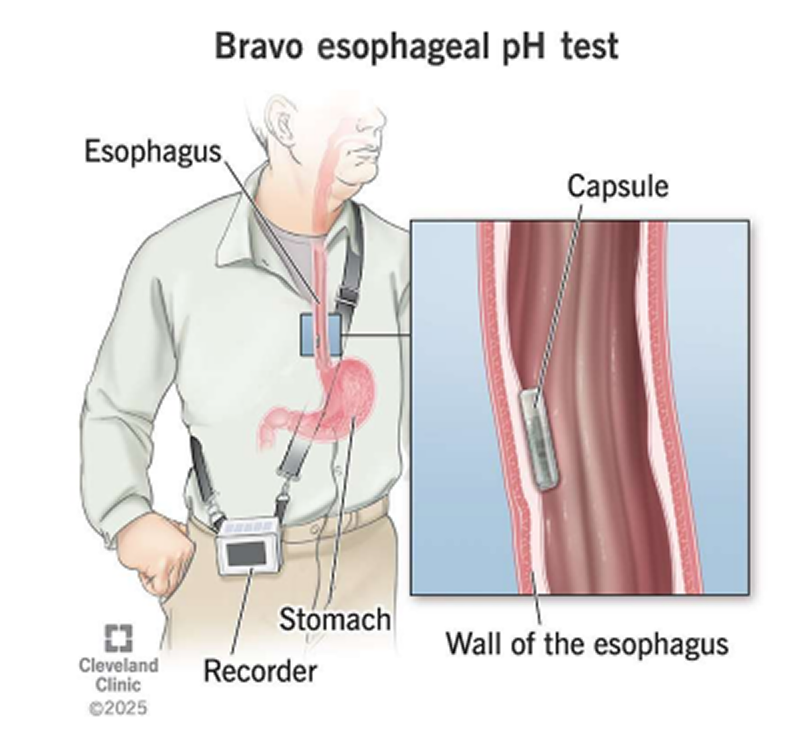
The Bravo™ esophageal pH test is a minimally invasive procedure used to measure acid reflux in the esophagus over 48–96 hours. During an upper endoscopy, a small wireless capsule is temporarily attached to the lining of the esophagus. The capsule records acid levels and sends the information to a small receiver you carry with you during normal daily activities
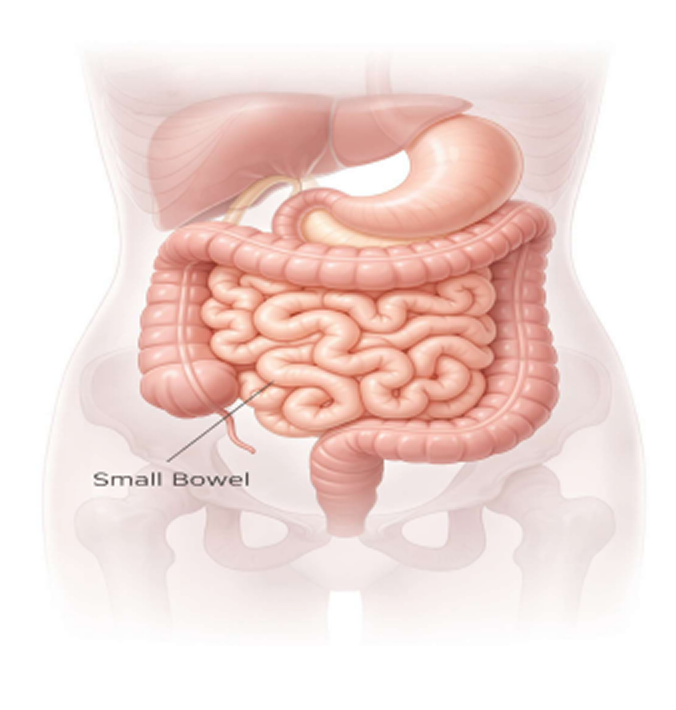
Capsule Endoscopy: A small camera capsule is swallowed to capture images of the small intestine. It is often used to evaluate bleeding, Crohn’s disease, and other small-bowel disorders. Enteroscopy: A specialized endoscope is used to examine the small intestine more directly than standard upper endoscopy.
Colonoscopy: A colonoscope is used to examine the rectum and entire colon for colon cancer screening and to evaluate symptoms such as bleeding, anemia, diarrhea, changes in bowel habits, and abdominal pain.
Flexible Sigmoidoscopy: This test examines the rectum and lower part of the colon, especially the sigmoid colon. Polypectomy: Removal of colon polyps during colonoscopy or sigmoidoscopy to help prevent colorectal cancer.
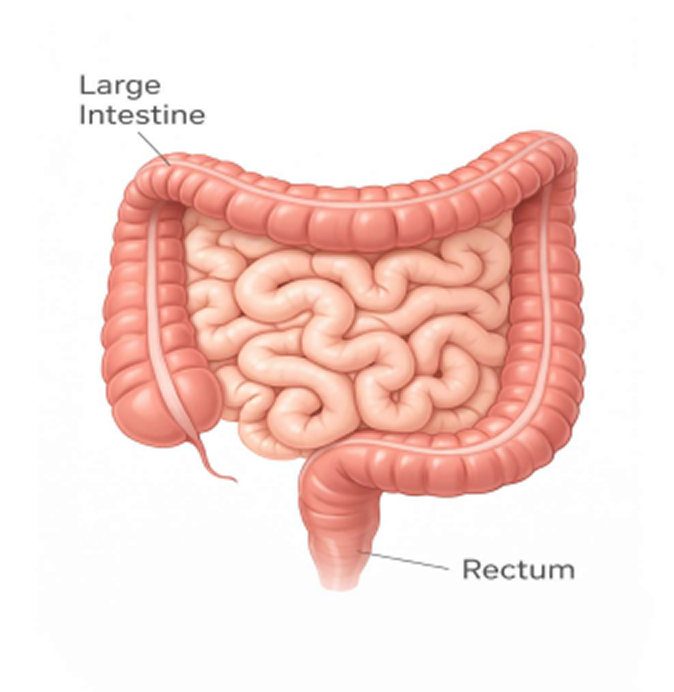
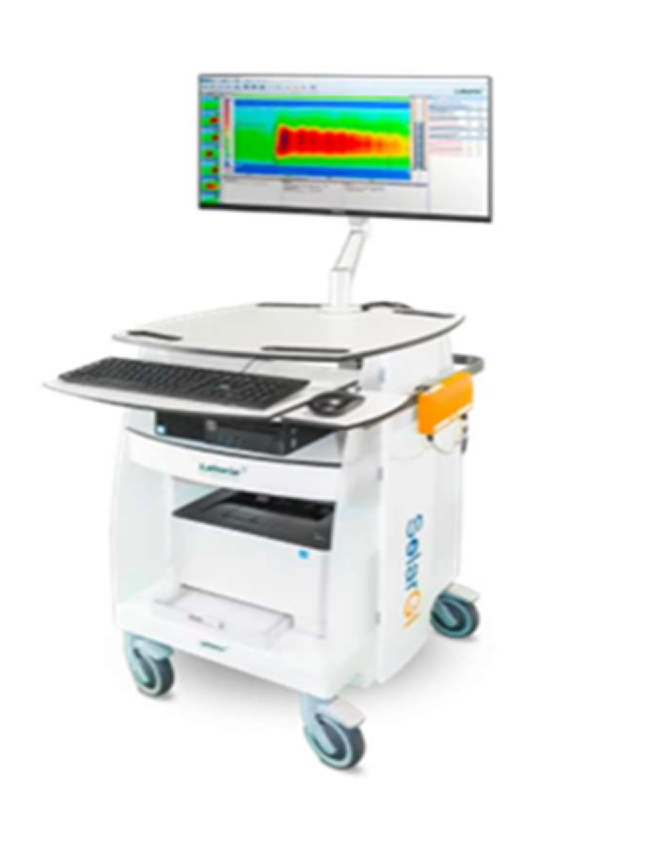
Anorectal Manometry: A specialized test that measures how well the muscles and nerves of the rectum and anal sphincter are working. It is commonly used to evaluate chronic constipation, fecal incontinence, and pelvic floor dysfunction.
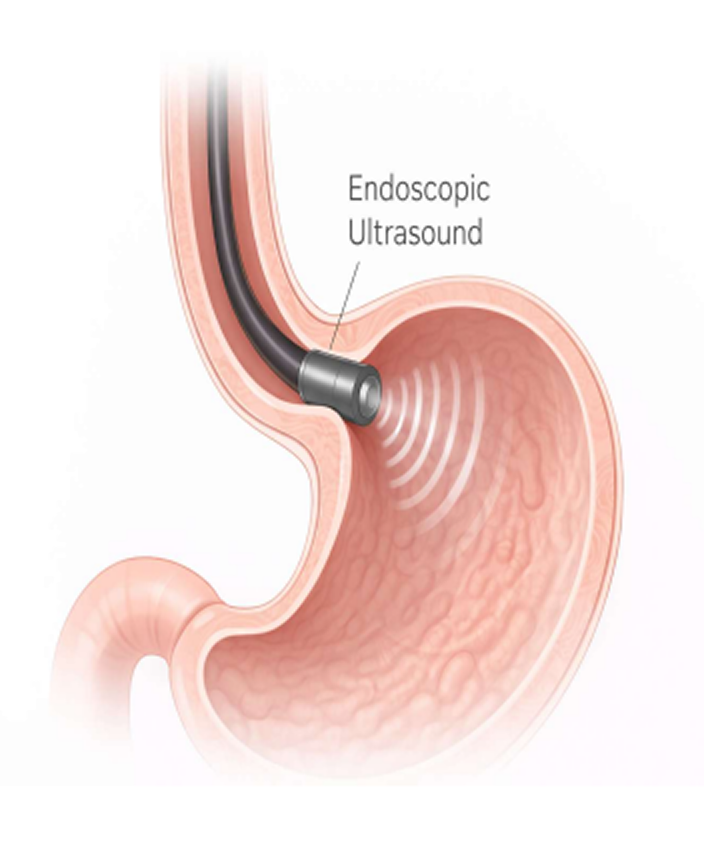
Endoscopic Ultrasound (EUS): Combines endoscopy with ultrasound to create detailed images of the digestive tract wall, pancreas, bile ducts, and nearby structures.
ERCP: Endoscopic Retrograde Cholangiopancreatography is used to diagnose and treat problems in the bile ducts and pancreas, including stones, blockages, leaks, jaundice, and stent placement.
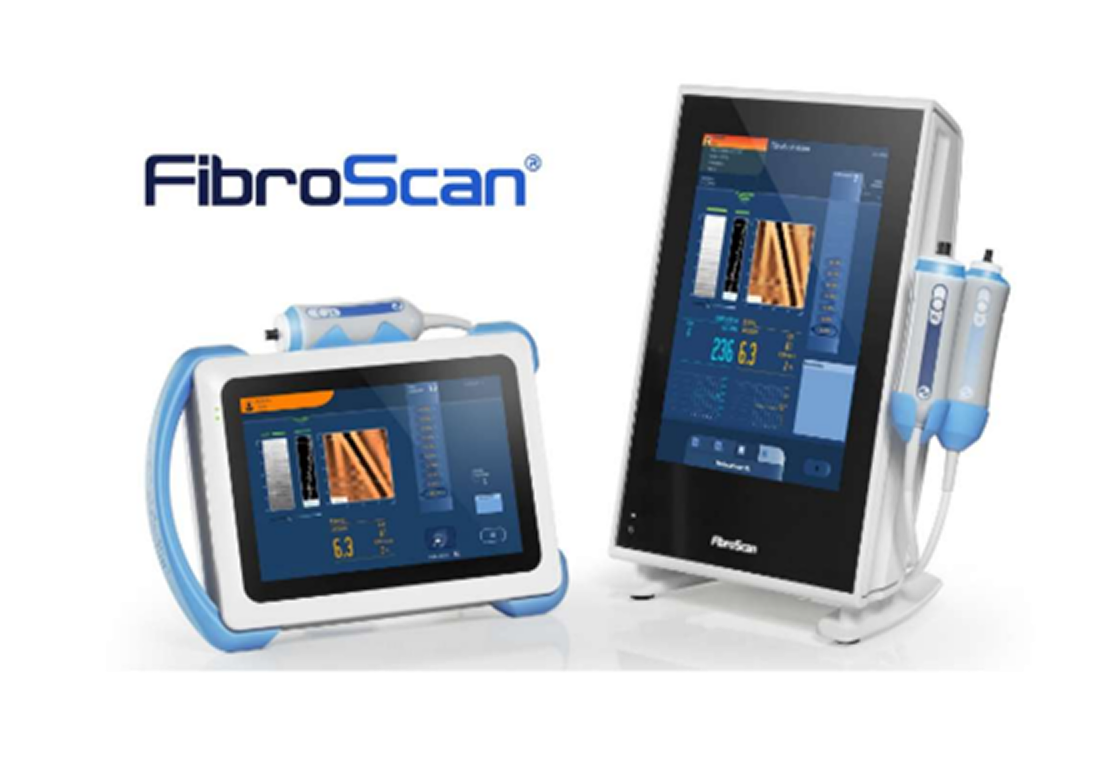
Fibroscan: A noninvasive liver test that uses transient elastography to measure liver stiffness and help assess fibrosis or scarring.